My upcoming online course – benefits, outcomes, results…keep a check here…coming soon
Mindful Menopause Balancing & Healing…
Benefits – Outcomes – results
Research shows that women who practice mindfulness & meditation have fewer menopausal symptoms…decreasing cortisol, the primary stress hormone, which helps reduce anxiety, stress, depression and other mental health conditions which you may experience during the menopause.
Research also shows that women who meditate had fewer menopausal symptoms…the increased level of cortisol (the stress hormone) is caused by physical & mental stress…meditation helps to lower the high levels of cortisol experienced in menopause & mental/physical stress.
Benefits of yoga in menopause – Yoga can have many benefits for people going through menopause, including symptoms like stress, anxiety, and low mood.
• Physical relief: Yoga can help with physical symptoms like hot flashes, joint and muscle aches, and insomnia.
• Improved sleep: Yoga can help improve sleep quality, especially if you wake up at night and have trouble falling back asleep.
• Bone and muscle health: Yoga can help maintain muscle mass and bone density.
• Heart health: Yoga can help boost heart health.
• Metabolism: Yoga can help reinvigorate a sluggish metabolism.
• Calming: Restorative yoga poses can be calming for the nervous system.
• Meditation: Meditation can help still the mind and improve sleep quality.
Results –
Practicing mindfulness and yoga during menopause can help with a variety of symptoms and improve overall well-being, including:
- Stress reduction: Mindfulness can help regulate emotions and reduce stress, which can lead to a better mood.
- Pain management: Mindfulness may help make pain-related symptoms more manageable.
- Improved sleep: Meditation can improve sleep quality and efficiency.
- Reduced hot flashes: Mindfulness practices like deep breathing and staying focused in the present can help ease hot flashes.
- Improved heart health: Meditation can have beneficial effects on heart-related conditions.
- Reduced depression: Meditation can help improve depression.
Mind-body therapies like yoga and meditation can also help decrease sympathetic activation, which may contribute to the development and exacerbation of menopausal symptoms.
Outcomes –
Through my course you will gain techniques through mindfulness based stress reduction, mediation & yoga to help you ease & cope with the menopause symptoms…(as listed above) you will feel more peaceful/balanced/reduce hot flushes/reduce stress & anxiety/depression/reduce cortisol levels (the stress hormone), you will be guided in each lesson (module) how to use mindfulness & meditation when feeling overwhelmed, exhausted, hot flushes, sleepless nights, stressed, pain, headaches, muscle pain, forgetfulness, weight gain.
Guided videos/tutorials/reading/worksheets formal & informal activities to help you build up a self practice. Diet advice & herbal alternatives to help with symptoms. You will gain strength & balance in your life, able to cope with the menopause symptoms better & feel more peaceful & in harmony with your body…through yin yoga you will strengthen bone density, release muscle tension, connect with the earths elements & work with the meridian lines in the body…you will feel empowered & mentally stronger to rise above menopause symptoms.
Transformation you will achieve from doing my course…point A
feeling helpless/headaches/sleepless nights/weight gain/muscle aches & pains/bone density (oesteoporosis)/brain fog/memory/hot flushes/stress/anxiety/depression/exhaustion/fibromyalgia/chronic fatigue & all menopause associated symptoms.
after completing my course – point B
You will gain techniques on how to help & ease these symptoms…you will feel less stressed, reduce anxiety, help muscle aches & pains, strengthen bones, ease hot flushes, sleep better, improve brain fog & memory, you will feel more flexible, inner peace & harmony, balanced & empowered to flourish & nourish through menopause.
Buy the Mindful Menopause Ebook –
Download my FREE Ebook on the lymphatic system & Fasica connection & how they work, what we can do to help –
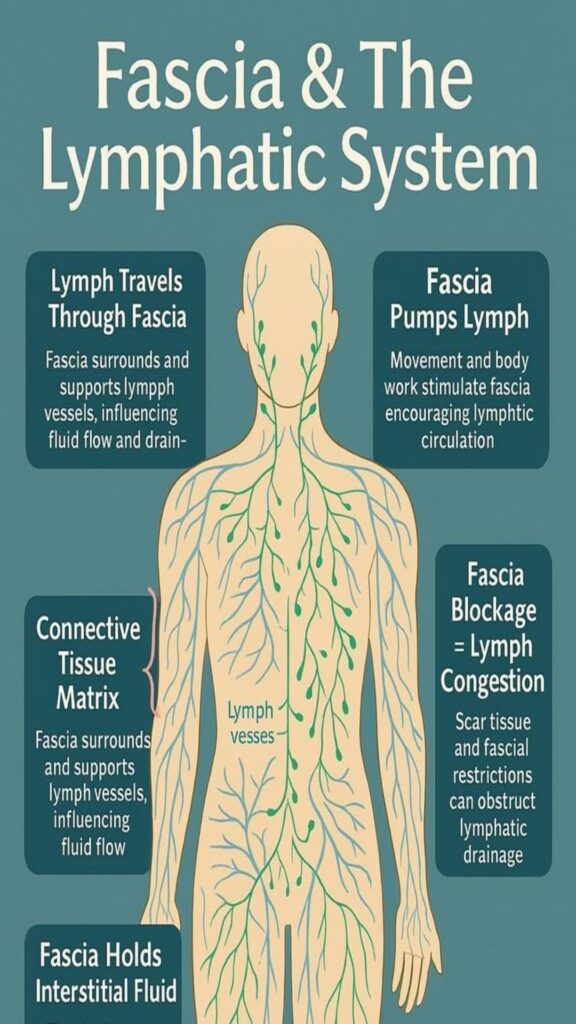
Download the Ebook here…
Understanding Menopause and its Physical & Emotional Impact
Menopause is a natural biological process that marks the end of a woman’s menstrual cycles. It typically occurs in their late 40s or early 50s, with the average age being 51. During this time, the ovaries stop producing eggs and levels of estrogen and progesterone decrease, leading to a variety of physical and emotional symptoms.
Some common physical symptoms of menopause include hot flashes, night sweats, weight gain, and vaginal dryness. On the emotional side, women may experience mood swings, irritability, anxiety, and depression. Understanding these symptoms and their underlying causes is crucial for finding ways to balance and heal during this transitional phase of life.
Key Lesson Concepts:
- Menopause is a natural biological process that typically occurs in women in their late 40s to early 50s.
- Physical symptoms of menopause include hot flashes, night sweats, weight gain, and vaginal dryness.
- Emotional symptoms of menopause may include mood swings, irritability, anxiety, and depression.
- Understanding the symptoms and causes of menopause is essential for finding ways to balance and heal during this transitional phase of life.
Summary
If you are struggling with peri-menopause, menopause & post-menopause? Then I’m here to guide & help you through this natural change in your life.
I started with the menopause 7 years ago & it’s been a challenge – emotionally, physically, mentally.
Menopause is a natural transition in a woman’s life that can bring about various challenges, including physical symptoms, emotional fluctuations, and mental health struggles. If you find yourself struggling with peri-menopause, menopause, or post-menopause, know that you are not alone. As someone who has been dealing with menopause for the past 7 years, I understand the difficulties that can arise during this time. It’s essential to seek support and guidance to navigate through this phase with grace and resilience.
When facing menopause, some women may consider hormone replacement therapy (HRT) as a treatment option. However, personal factors such as family health history or individual preferences may lead to alternative choices. In my case, I chose not to opt for HRT and instead turned to holistic practices that have been a part of my life for over two decades. Mindfulness, meditation, yoga, and breathwork have been instrumental in helping me manage and alleviate my menopausal symptoms. By incorporating these practices into my daily routine, I have been able to cope better with the changes that come with menopause.
As a certified yoga and mindfulness instructor specializing in hatha and yin yoga, pranayama, and meditation, I have witnessed first hand the transformative power of these practices in supporting women through menopause. The mind-body connection fostered through yoga and mindfulness can help regulate emotions, reduce stress, improve sleep quality, and enhance overall well-being during this transitional phase. By sharing my knowledge and experience, I aim to empower women to embrace menopause as a natural and transformative journey, guiding them towards finding balance, healing, and inner peace amidst the changes they may be experiencing.
What we will cover in the course
In addition to mindfulness, we will delve into the power of pranayama, the practice of breath control in yoga. Pranayama techniques can influence the nervous system, promote relaxation, and restore balance to the body. By incorporating specific breathing exercises into your daily routine, you can alleviate hot flashes, improve sleep quality, and cultivate a sense of calm amidst hormonal fluctuations. Learning to harness the breath can be a potent tool for soothing both the body and mind during menopause.
Furthermore, this course will introduce you to meditation, hatha breath-based yoga, and yin yoga as additional pillars of support. Meditation can help quiet the mind, enhance self-awareness, and foster emotional equilibrium. Hatha breath-based yoga combines physical postures with conscious breathing to enhance vitality and hormonal balance. Yin yoga, with its gentle and long-held poses, can target connective tissues and support the release of tension in areas prone to discomfort during menopause. By integrating these practices into your routine, you can cultivate a holistic approach to menopausal well-being and discover a greater sense of harmony within yourself.
I will be there to guide you on your journey…i also offer 1 – 1 coaching, join our community & weekly zoom meetings,
Also check out my website – https://anandamindfulyogi.com